
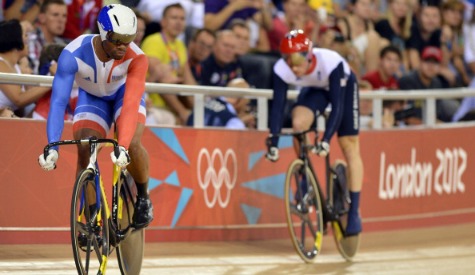
 A new television channel showcasing Olympic sports, such as handball and cycling, is to be launched later this year in the hope of capitalising on the success of London 2012.
Independent television production company Highflyer is finalising plans for the new round-the-clock sports channel, London Legacy, devoted to 24 minority sports, that is due be on air in November.
While the channel will initially only be available through pay-television broadcaster BSkyB, Highflyer said it is seeking wider distribution in a bid to tap into the 51.9 million people in the United Kingdom who watched at least 15 minutes of the London Games on the BBC.
Yorkshire-based Highflyer recently lost its long-time contract to produce horse racing for Channel 4, which was awarded instead to IMG.
John Fairley, the chairman of Highflyer, claimed that at least one Olympic sponsor had already agreed to back the new channel, which will show sports from grassroots level up to elite standard and will cost £5.5 million ($8.7 million/€7 million) to launch.
"The amount of athletics on the main channels has been very small, especially when you think of all the disciplines within the athletics, but the [London 2012] Games have changed all that," said Fairley.
"There is this enormous opportunity...and no sign that any of the main broadcasters is going to pick it up and run with it.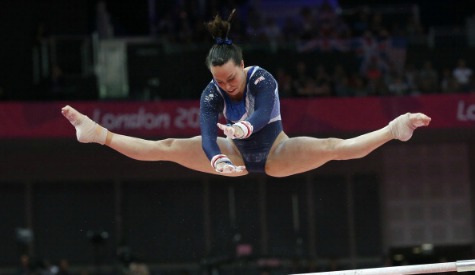 "The London Olympics has brilliantly demonstrated the huge desire amongst the British public to watch sports which don't normally get the showcase on British TV that they deserve.
"The number of participants in these sports is already very high – a sport like judo has more than 40,000 [in the UK], many of them women and many of those under 16.
"London Legacy TV will satisfy the appetite to see more of these sports that the Olympics has created as well as encouraging people to take part in them."
The channel will showcase the sports at every level, from grassroots up to elite standard.
Among those to back the idea is London Mayor Boris Johnson.
"I am very excited by the prospect of a new London-based Olympic and minority based sports channel as proposed by Highflyer TV," he said.
"As well as creating a lasting legacy for the 2012 Olympic and Paralympic Games, such a channel should raise interest in Olympic sports, and consequently participations rates and sponsorship funding in them too, whilst also giving a much needed platform to our younger athletes."
By Duncan Mackay in London
Source: www.insidethegames.biz
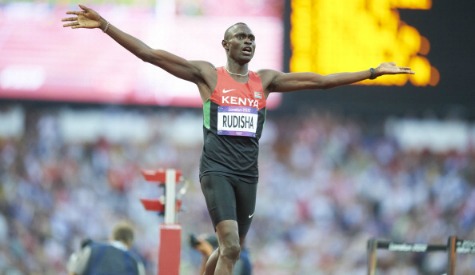 Kenyan President Mwai Kibaki has ordered an inquiry into the country's disappointing performance at London 2012, where the team won 11 medals, including two gold.
 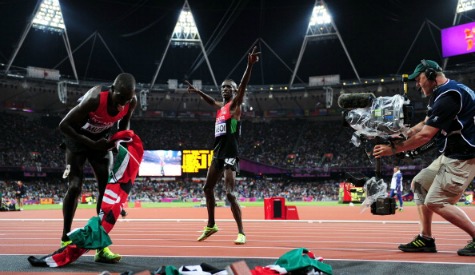 Kirwa claimed that NOCK officials tried to dictate athletes' training schedules and tried to sideline the coaches, who he claimed are now being unfairly blamed for the relatively poor performance in London.
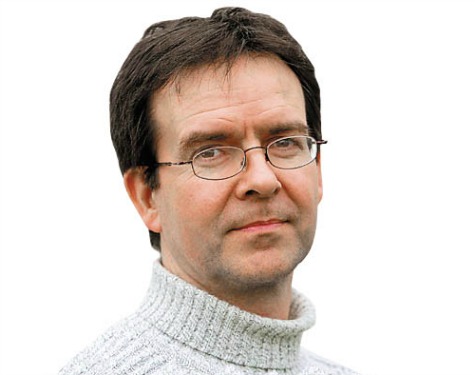 Just as there is nothing more satisfying for an athlete – to use the term in its broadest sense – than to win an Olympic gold medal, there is nothing more satisfying for a journalist – ditto – than to document the career of that athlete.
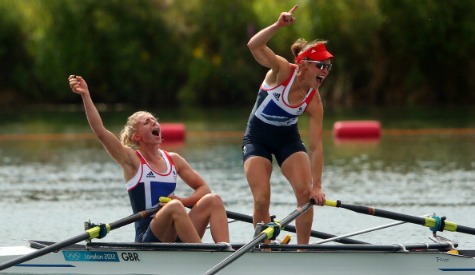 It was stirring to witness the relatively new pairing win their title. But the victory which reverberated most was the one earned by the four which had been put together earlier in the year by the men's head coach, Jürgen Gröbler, after it became clear that Andy Triggs Hodge and Pete Reed, both Olympic champions in the 2008 four, were not going to find a way to get past the New Zealand pair who eventually won the 2012 Olympic title, Hamish Bond and Eric Murray.
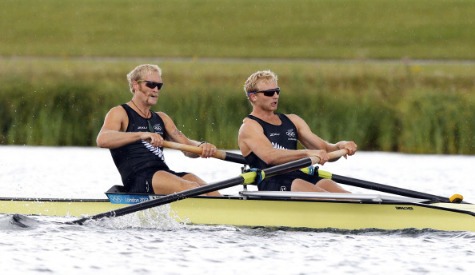 In the event, Gröbler switched the party from one mountain to another, and roped the increasingly despondent pair up with their old team mate from Beijing, Tom James, and Alex Gregory, who could be viewed either as the newcomer in the boat, or the only remaining inhabitant remaining from the crew which had won the world title in 2011.
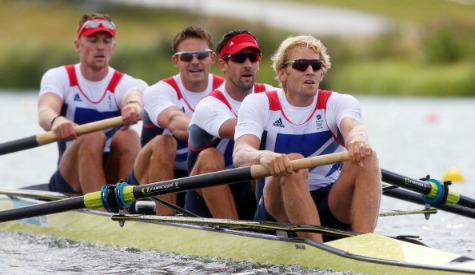 Gregory had narrowly missed out on Olympic selection in 2008 but went to Beijing as a reserve and watched all the action from the stands.
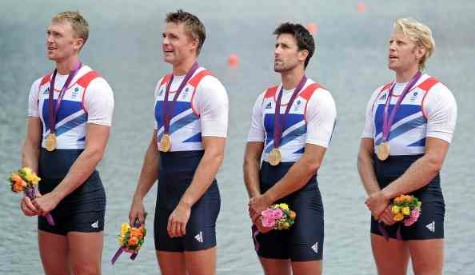 "That made me realise what it would mean to my family and friends if I could win an Olympic gold."
 Juliette John, a former athlete and relative of some of the young T&T cyclists, yesterday expressed frustration with what she regards as poor support for the athletes from the T&T Cycling Federation (TTCF).
 AS at 4 p.m. yesterday, Chief Secretary of the Tobago House of Assembly, Orville London, had not yet received an invitation to join in today's motorcade organised by several Government ministries to celebrate the achievements of local athletes who competed in the 2012 London Olympics.
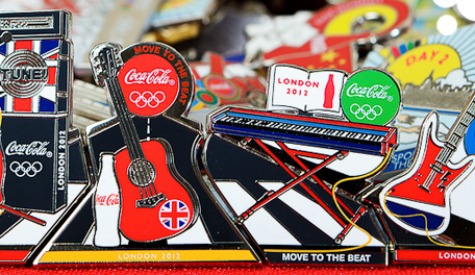 Coca-Cola, the Olympics longest-standing sponsor, was tonight forced to issue a grovelling apology after it deleted the birthplace of the Games, Greece, from a map displayed at the Olympic Park during London 2012.
 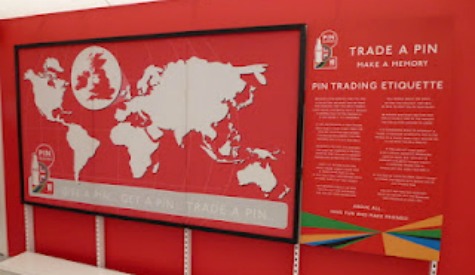 But it was the fact that it did not include Greece, the birthplace of the Olympics, which has proved the most controversial with insidethegames receiving several hundred comments today alone on the topic.
 "Coca-Cola has taken the matter very seriously and, once the situation was brought to our attention, as a matter of urgency, a new, more accurate design was put into production.